A 30-Second AI Clip Costs the Same as Six 5-Second Clips. Only One of Them Lets You Retake
# A 30-Second AI Clip Costs the Same as Six 5-Second Clips. Only One of Them Lets You Retake
On October 21, 2026, the ClipNovia cost estimator priced one 30-second Seedance 2.5 clip at 2,860 credits and six 5-second Seedance 2.5 clips at 2,862. Wan 3.0 came out at 727 versus 732. Same footage, same price. The difference is what a single bad frame costs you.
**A 30-second AI clip is not a discount. It is one big bet on every second landing.**
New models keep selling longer clips as the headline feature. Kling 4.0 was reported at launch with clips up to 30 seconds, and Seedance 2.5 and Wan 3.0 both allow up to 30 seconds in the ClipNovia catalog. For a Short, longer per-clip limits are the wrong thing to optimize. This post shows the numbers and the rule we would use instead. It is price arithmetic, not a quality test: we did not render comparison videos and make no claim about which model looks better.
## The numbers (ClipNovia estimator, queried 2026-10-21, 720p, no sound)
| Plan for 30 seconds of footage | Clips | Credits |
|---|---|---|
| Seedance 2.5, one 30s clip | 1 | 2,860 |
| Seedance 2.5, six 5s clips | 6 | 2,862 (477 each) |
| Wan 3.0, one 30s clip | 1 | 727 |
| Wan 3.0, six 5s clips | 6 | 732 (122 each) |
| Veo 3.1 Lite, five 6s clips | 5 | 250 (50 each) |
| Veo 3.1, five 6s clips | 5 | 500 (100 each) |
Source: ClipNovia model catalog and cost estimator, queried 2026-10-21. These models are priced per second, so splitting a clip does not change the bill by more than a few credits. Veo models only render 4, 6 or 8 seconds, so they cannot do a single 30-second pass at all.
## Where the trap is: a failed clip costs its full length
Because the price is per second, a rejected clip burns credits in proportion to its length.
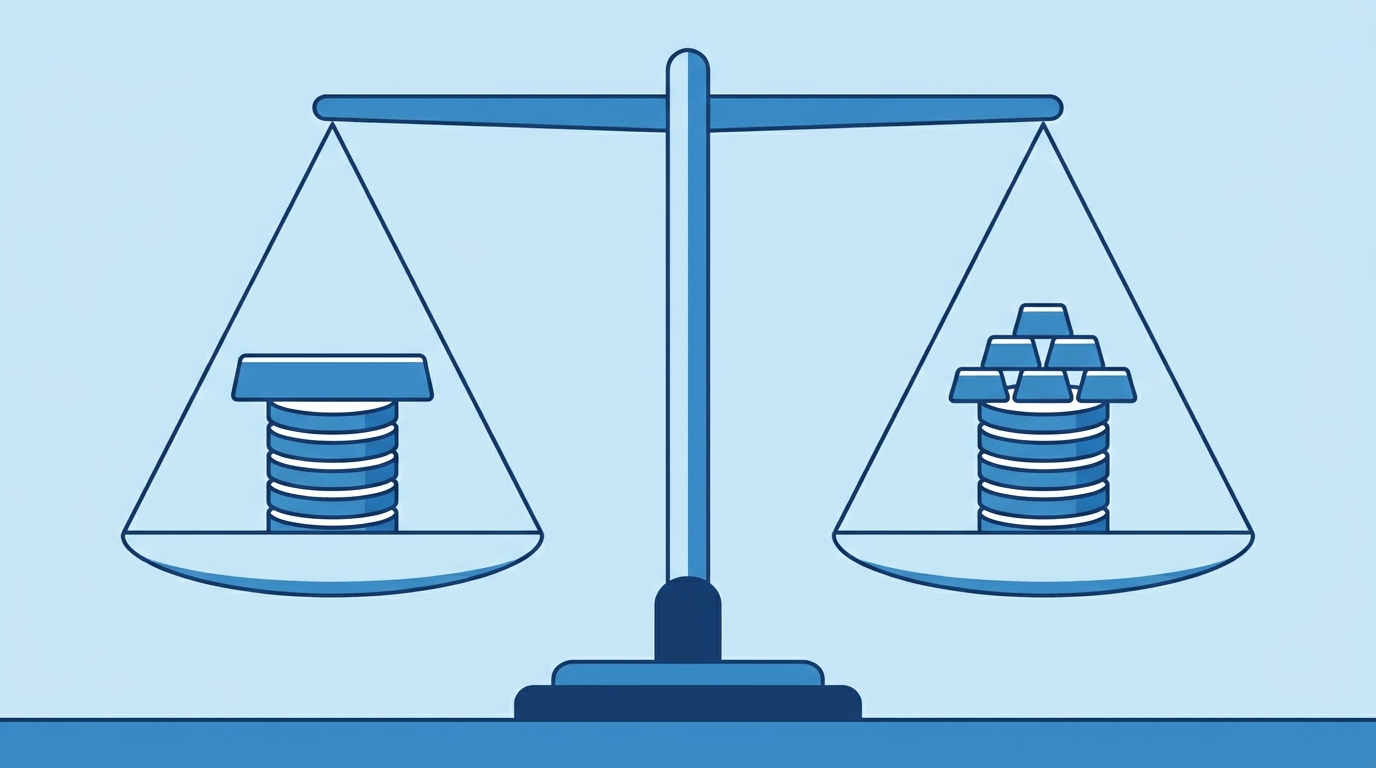
- Reject one 30-second Seedance 2.5 clip: 2,860 credits gone, and you re-pay 2,860 to try again.
- Reject one 5-second Seedance 2.5 clip out of six: 477 credits gone. The other five stay.
The formula:
**Credits wasted per failure = clip length in seconds x credits per second**
On Seedance 2.5 that is about 95 credits per second. A flaw at second 22 of a 30-second clip costs the whole 2,860 to fix. Chunked, the same flaw costs 477. This is arithmetic from the prices above. We are not claiming a retake rate for any model, because we did not measure one.
## The fair counterargument
Single-pass clips have a real upside: no cut seams, and a model can hold motion and a character across a longer take. Pre-launch spec coverage of Kling 4.0 from fal (published September 30, 2026) lists 3 to 30 second clips, up to 10 keyframes and up to 15 total references, which is aimed at keeping a long take coherent. If your Short is one continuous take, a long clip is the right tool, and the risk is the price of that continuity.
Most Shorts are not one continuous take. If yours cuts between shots, you are paying for continuity you will edit away.
## What we would do instead

1. **Plan the cut list first.** One shot per beat: hook, setup, turn, payoff. If you are working from a winning Short, [how to reverse engineer viral videos](/blog/how-to-reverse-engineer-viral-videos) turns it into a shot list.
2. **Cap clips at the length of one beat.** 4 to 8 seconds fits every model in the catalog, including Veo.
3. **Draft the weak shots on the cheapest model.** Veo 3.1 Lite was 50 credits for a 6-second clip on October 21. Spend on the premium model only for shots you have already approved. The full price comparison is in [the per-second price table](/blog/ai-video-cost-per-second-shorts-budget).
4. **Write each shot as a card** so a retake changes one field, not the whole idea: [One Shot Card, Three Prompt Orders](/blog/ai-video-shot-card-prompt-template).
5. **Go long only on purpose.** Use a 30-second pass when the shot is one unbroken move, and accept that a fail costs the full clip.
## Copy this: the clip-length decision rule
```
Final length (seconds): [30]
Credits per second (estimator): [95.4 for Seedance 2.5]
Shots in the cut list: [6]
Is any shot > 8 seconds on screen? [no -> chunk it]
One failure, long clip = length x rate = [30 x 95.4 = 2,862]
One failure, chunked = shot length x rate = [ 5 x 95.4 = 477]
Chunk unless one unbroken take is the point.
```

## Frequently asked questions
**Does a longer AI clip cost less per second?**
Not in ClipNovia on October 21, 2026 for the per-second models we checked. A 30-second Seedance 2.5 clip was 2,860 credits and six 5-second clips were 2,862.
**Which models can render 30 seconds in one pass in ClipNovia?**
According to the catalog on October 21, 2026: Seedance 2.5, Wan 3.0 and Wan 3.0 Prime go up to 30 seconds. Veo models top out at 8 seconds.
**Is Kling 4.0 available in ClipNovia?**
It was not in the model catalog we queried on October 21, 2026. Sources we read disagree on its exact launch date (Crypto Briefing dated the announcement September 28, 2026) and we found no published pricing, so we have no numbers to compare.
**Does chunking hurt quality or consistency?**
We did not test that. Continuity across cuts is the real cost of chunking, and the shot card and reference frames are how to manage it.
## Price your own cut list
ClipNovia shows the credit cost for each model and clip length before you run it, so you can price a chunked plan against a single pass: [try it in ClipNovia](https://clipnovia.io/?utm_source=blog&utm_medium=post&utm_campaign=ai-video-30-second-clip-cost-trap).
*Prices verified 2026-10-21 from ClipNovia model catalog and cost estimator. Kling 4.0 details from Crypto Briefing (2026-09-28) and fal (2026-09-30, pre-launch). Update by 2026-11-21.*