Creator Burnout Hit 78% in 2026 — Here's What the Data Actually Says Is Causing It

If you've felt like you're running on fumes just to keep the upload schedule alive, the data says you're not imagining it — you're one of roughly 8 in 10 creators reporting the same thing this year.
## The Numbers: How Big Is the Creator Burnout Problem, Really
The scale of creator burnout in 2026 is no longer a niche complaint traded in Discord servers — it's showing up consistently across multiple independent surveys, which is usually the signal that a "vibe" has become a measurable trend.
The most-cited figure comes from the 2025 Creator Economy Report: **78% of creators say burnout is impacting their motivation and their physical and mental health**, a number that reportedly holds fairly steady across audience size, content category, and years of experience — meaning this isn't just a "new creator overwhelm" problem or a "mega-influencer pressure" problem. It's structural.
A separate, more clinical read comes from a survey of 2,400 full-time creators, where **62% reported severe burnout symptoms**, and **nearly half said they'd considered quitting entirely within the past six months**. The same survey found the financial picture makes it worse, not better: 68% of creators report month-to-month income swings of 30% or more, 54% have no emergency fund despite six-figure earnings, 72% have no benefits like health insurance or paid time off, and 81% work more than 50 hours a week.
ManyChat's 2026 Creator Report ("Algorithm Fatigue") adds a retention-risk angle: **over half of creators have considered quitting in the past year**, with Gen Z creators the most likely to be weighing an exit, at 55%.
> 78% of creators say burnout is impacting their motivation and their physical and mental health — a number that holds steady across audience size, content category, and years of experience.
## Why Are Creators Burning Out — The Actual Breakdown, Not the Vibes
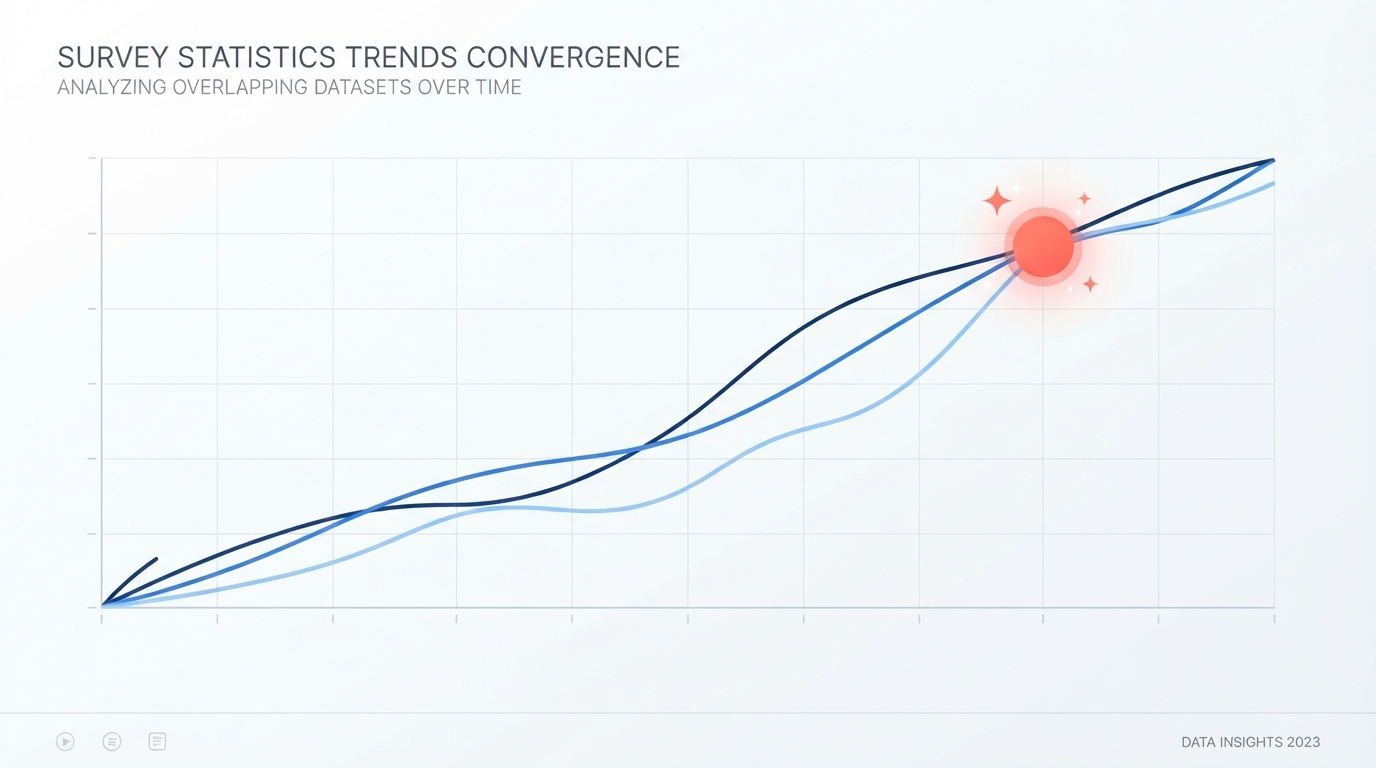
"Burnout" gets used as a catch-all, but the research on content creator burnout causes actually breaks down into fairly distinct buckets — and the ranking matters because it tells you where an intervention would actually help.
When creators were asked what's driving their burnout day-to-day, the top causes were:
- **Creative fatigue — 40%**: running out of new ideas, formats, and angles, especially under constant-output pressure
- **Demanding workload — 31%**: the sheer volume of tasks per piece of content — filming, editing, captioning, thumbnails, posting, replying
- **Constant screen time — 27%**: the always-on nature of monitoring performance, comments, and trends
Interestingly, when the same research asked creators to rank causes by *severity* rather than frequency, a different factor jumped to the top: financial instability, cited by 55% of creators who'd experienced burnout. That distinction matters — the thing that happens most often (creative fatigue) isn't necessarily the thing that hurts the most (not knowing if this month's income covers rent). Both are real, and they compound each other: a creator who's financially stretched can't afford to slow down and recover from creative fatigue, so the fatigue deepens.
This is also where the picture diverges from the "just take a break" advice you'll see everywhere. Three in five creators (59%) say burnout is actively hurting their careers, and 58% say it's affecting their overall wellbeing — this isn't a productivity dip, it's compounding.
## The Workload Math: Why 60-Hour Weeks Don't Scale
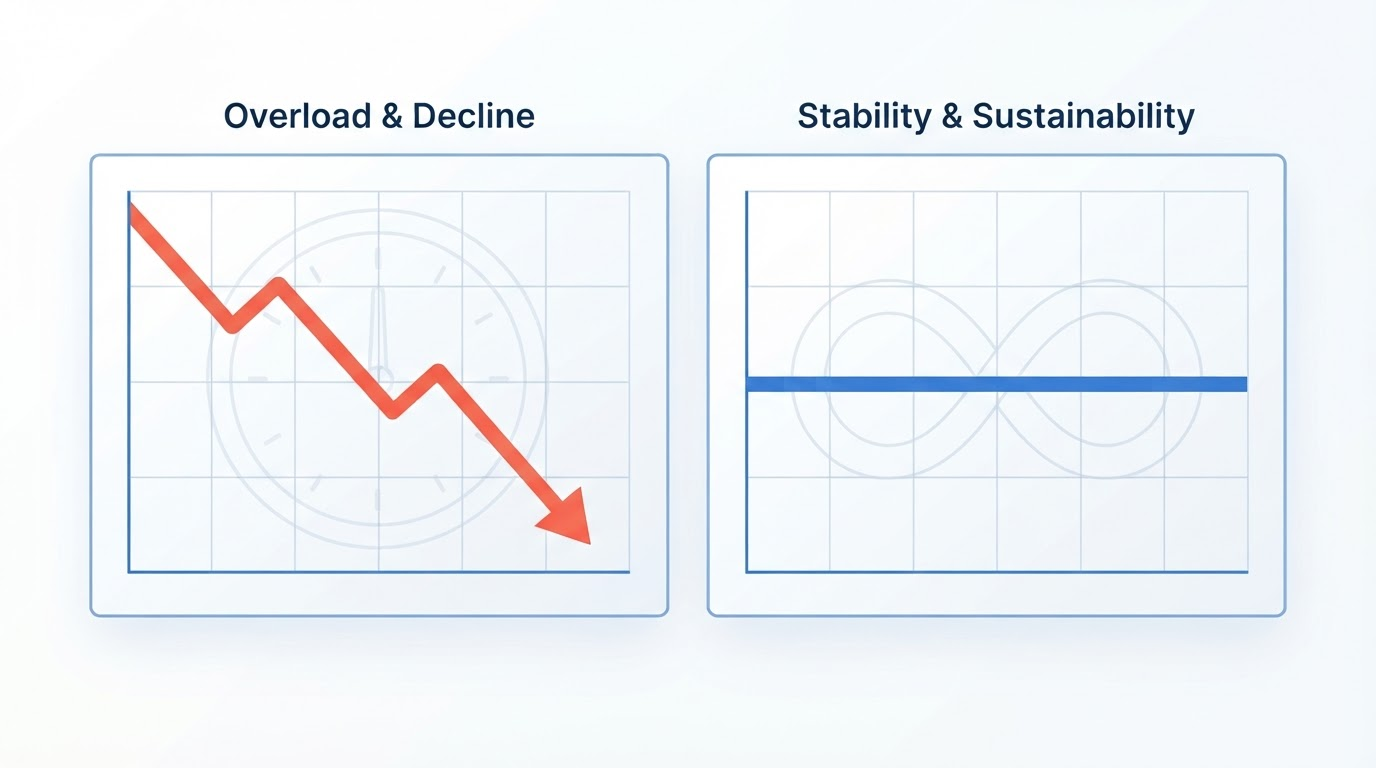
One of the more concrete, decision-useful findings in this space is less about feelings and more about time-on-task. Solo creators who consistently work 60+ hours a week tend to hit a wall around month nine — not month one, not month three, but roughly the point where the accumulated deficit from unsustainable output catches up with them. Creators operating at a more moderate 30-35 hours a week, by contrast, show meaningfully more staying power.
The pattern lines up with the 81%-work-more-than-50-hours-a-week figure cited above: a huge share of the creator population is operating in the burnout-by-month-nine zone right now, not because they're bad at time management, but because the current content production model requires touching every single step of the pipeline manually — research, scripting, filming, editing, captioning, thumbnailing, posting, replying, analyzing — for every single piece of content.
The workload issue isn't really about hours in the abstract. It's about how many of those hours go to repetitive, low-differentiation tasks versus the small slice of work that's actually irreplaceable — the ideas, the strategic bets, the on-camera or on-mic presence that only that creator can provide.
## What The Data Says Actually Helps (Not Generic Advice)
Most burnout content defaults to "take a break," "set boundaries," or "batch your content" — all reasonable, none of it addressing the structural math above. If the real problem is that a huge percentage of a creator's week goes to repetitive production work rather than the ~20% that's genuinely strategic (ideation, hooks, positioning, audience judgment calls), then the interventions that actually move the needle are the ones that change that ratio.
That's the logic behind the growing shift toward AI-assisted production workflows: rather than a creator personally re-editing every clip, writing every caption, and manually digging through their own back catalog (or a hundred competitor videos) to figure out what's working, tools are increasingly used to automate the repeatable 80% — clipping, formatting, initial analysis, pattern-spotting across viral content — so the creator's remaining hours go to the judgment calls a tool can't make for them.
This isn't a magic fix for financial instability or platform pressure, and no honest data-driven piece should claim it is. But among the mitigations with any real signal behind them, "reduce the hours spent on repetitive execution" is one of the few that's concrete and actionable rather than aspirational. Platforms built around this idea — including tools like ClipNovia, which analyzes what's already working in a creator's niche and speeds up turning that analysis into new content — sit in this category: not a burnout cure, but a lever on the workload side of the equation, which the data suggests is one of the three biggest drivers (31% workload, plus a meaningful chunk of the 27% screen-time figure that comes from manually monitoring and analyzing performance).
> Solo creators working 60+ hours a week tend to burn out by month nine; those working a more sustainable 30-35 hours a week show meaningfully more staying power.
## What This Means for Creator Mental Health in 2026
Zooming out, the creator mental health 2026 picture is one of a labor market operating without most of the safety nets traditional employment provides — no benefits, unpredictable income, and a workload that expands almost infinitely because there's always another video, another trend, another platform update to react to. Layer the algorithm-fatigue and trust erosion themes from the ManyChat report on top, and it's clear why over half of creators — and 55% of Gen Z creators specifically — have thought seriously about quitting in the past year.
None of this means the industry is collapsing. It means the tools and habits that made sense for a creator posting twice a week in 2019 don't hold up under a daily-upload, multi-platform, AI-content-flooded 2026 landscape. The creators most likely to stay in it long-term aren't necessarily the ones working the hardest — the data on the 60-hour/30-hour split suggests it's closer to the opposite.
| Cause of burnout | Share citing it (frequency) | Notes |
|---|---|---|
| Creative fatigue | 40% | Most commonly cited day-to-day driver |
| Demanding workload | 31% | Task volume per piece of content |
| Constant screen time | 27% | Monitoring, comments, trend-chasing |
| Financial instability | 55% (severity ranking) | Not most frequent, but rated most severe |
## The Bottom Line on Creator Burnout Statistics
The 78% figure isn't an outlier or a one-off headline stat — it's corroborated by at least two other independent surveys landing in the 50-62% range depending on how "burnout" is measured. The causes aren't mysterious either: creative fatigue, workload volume, and screen time top the list by frequency, while financial instability tops it by severity. And the one workflow-level finding with a clear before/after — 60-hour weeks burning creators out by month nine versus 30-35 hours sustaining output — points toward the same conclusion the rest of the data supports: the fix isn't willpower, it's reducing how many hours go to repetitive execution so more of a creator's limited time goes to the work only they can do.