How Many Faceless YouTube Channels Can One Person Actually Run? (2026 Reality Check)
# How Many Faceless YouTube Channels Can One Person Actually Run? (2026 Reality Check)
Creators online claim to be running 20 or more faceless channels at once with millions of combined subscribers — while others quietly rack up losses trying to hit double digits. Here's what the actual math, tools, and platform rules say about how many channels one person can run before something breaks.
## The Claim: "I Run 20 Faceless Channels at Once"
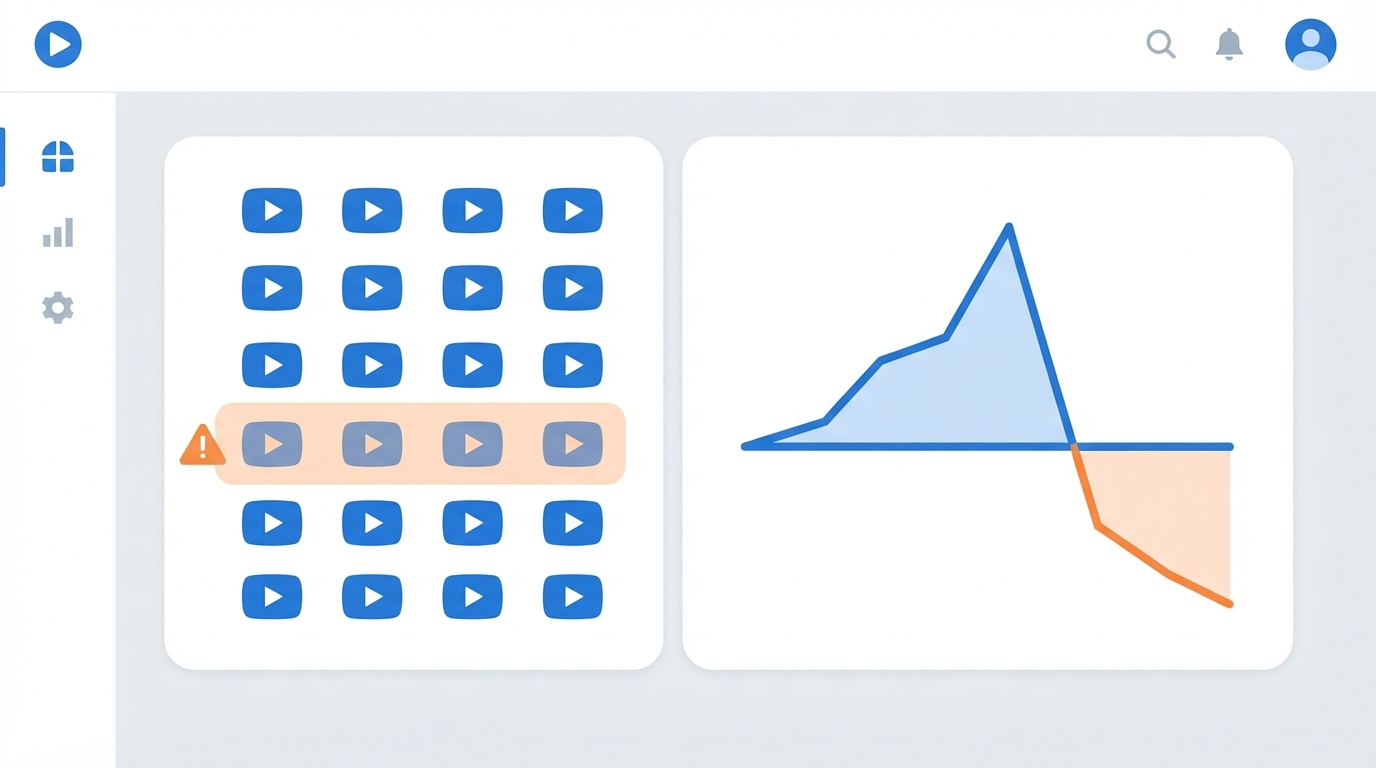
The number that keeps circulating is 20-25. Noah Morris, the creator behind the NexLev faceless-YouTube course, is the most-cited example: he's built a portfolio of more than 20 channels with a combined 2.5 million-plus subscribers and reportedly seven-figure revenue, all without appearing on camera. It's a real, verifiable result — his channels exist, the subscriber counts are public, and the revenue claims have been repeated across enough independent write-ups to hold up.
But the number "20" is doing a lot of unlicensed work when it gets quoted in a YouTube comment or a course sales page. It implies one person, sitting alone, personally scripting, voicing, editing, and uploading to 20 channels every week. That is not what's actually happening in any documented case of channel counts that high. What's happening is a person who spent years building a *system* — hiring editors, writing repeatable templates, and treating each new channel less like a creative project and more like a production line with a manager (them) at the top.
That distinction — operator versus manager — is the entire article. Let's take it apart.
> Noah Morris runs more than 20 faceless YouTube channels with a combined 2.5 million-plus subscribers and reportedly seven-figure annual revenue — built over roughly eight years, not launched simultaneously from zero.
## What "Running" a Channel Actually Means at Scale
Ask anyone who has actually done this and the story is the same: automation doesn't remove the work, it relocates it. One creator who documented building 12 faceless channels over two years put it bluntly — "automation" rarely means hands-off; it means you've offloaded a task, not eliminated it, and someone still has to manage the person you offloaded it to. His first six channels never even reached monetization. At the peak of running four channels simultaneously, he was spending around $500 a month on freelance editors alone, and his week still involved evenings scripting, weekends batch-recording voiceovers, and constant low-level anxiety about keeping the upload cadence.
That's the real skill ceiling in faceless channel scaling: it isn't "can I generate a script and a voiceover with AI," it's "can I manage five to ten contractors, a review pipeline, and a content calendar without any of them silently dropping quality while I'm not looking." Running multiple faceless channels is a management problem wearing a content-creation costume.
A workable batch content production workflow at the 3-5 channel stage usually looks like this:
1. **Weekly batch scripting** — one sitting where you (or a hired writer, briefed with a strict template) produce 15-20 scripts across all channels at once, rather than writing per-channel in a scattered way.
2. **Batch voiceover generation** — all scripts run through the same AI voice tool in one sitting, so you're not context-switching between platforms daily.
3. **Batch editing handoff** — footage, voiceovers, and B-roll get bundled and sent to an editor (or an editing tool queue) once a week, not video by video.
4. **A single QC pass** — before anything uploads, one person watches the first 15 seconds and skims the rest of every video. This is the step most burned-out solo operators skip first, and it's the step that catches the "this looks templated" problem before YouTube's systems do.
5. **Staggered publishing**, not simultaneous — spreading uploads across the week per channel avoids both audience fatigue and pattern-based detection.
## The Math Most "Channel Count" Claims Skip
Here's where the scaling narrative usually falls apart in public: the cost side. A basic AI content stack — script tool, an AI voice generator, a thumbnail tool, editing software — runs somewhere between $25 and $70 a month per active pipeline as of early 2026, and a fuller stack combining a script/writing tool, ElevenLabs-tier voice generation, and paid editing software can run $54-217 a month depending on usage tier and volume. Multiply that by ten channels and you're not looking at a hobby budget anymore — you're looking at a real monthly operating cost before a single dollar of ad revenue shows up.
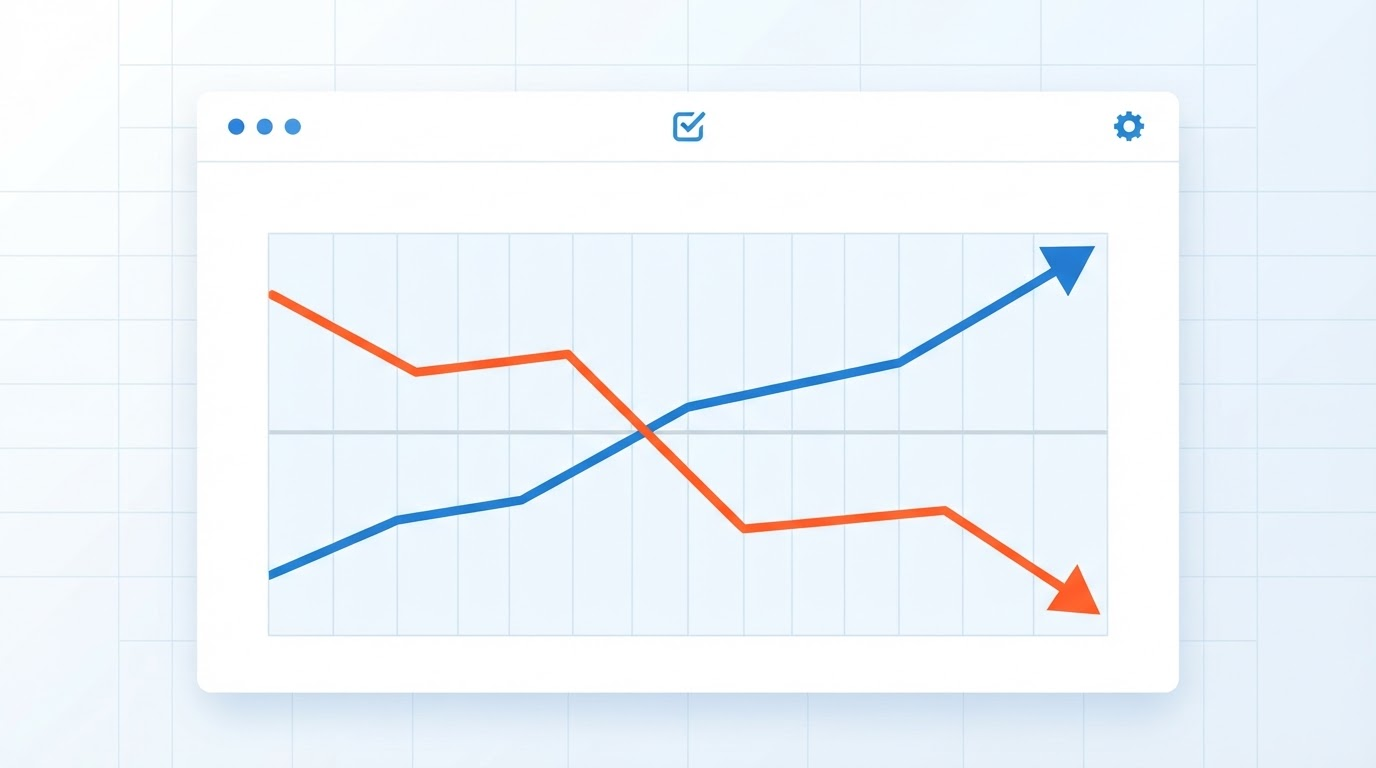
That's exactly the trap one widely-cited automation case fell into: a creator spent $26,311 on production expenses over 150 days while earning just $15,218 back from AdSense — a net loss of roughly $10,000, despite reaching 1.4 million views and 50,000 subscribers. The channel wasn't unpopular. It was just expensive to run at the pace "scaling" demanded, and revenue took months to catch up to spend. That lag is normal, not a sign of failure — most faceless channels run at a loss for six to twelve months before turning a profit — but it means the "run more channels, make more money" logic only holds once each individual channel has already cleared that runway. Stack five or ten unprofitable channels on top of each other and you've just multiplied the runway problem, not solved it.
| Monthly cost item | Solo, 1 channel | Lean stack, per channel (3-5 channels) | Outsourced, per channel (6-10 channels) |
|---|---|---|---|
| AI script/writing tool | $20-30 | $20-30 | $20-30 |
| AI voice (e.g. ElevenLabs Creator) | $22 | $22 | $22 |
| Editing (DIY tools) | $20-40 | $20-40 | — |
| Freelance editor | — | — | $100+ per video |
| Thumbnail/design tool | $13 (Canva Pro) | $13 | $13 |
| **Approx. total per channel/month** | **$55-105** | **$55-105** | **$150-400+** |
The moment you bring on a freelance editor to hit a real upload cadence — the same move that let the 12-channel creator sustain four channels — your per-channel cost stops being "a few AI subscriptions" and starts looking like a small payroll. That's the actual ceiling on channel count for most people: not creative bandwidth, but cash flow.
## Quality Dilution and the Platform Detection Problem
Even if the money works, there's a second wall: YouTube itself. In 2026, YouTube renamed its "repetitious content" guideline to "inauthentic content" and tightened enforcement specifically against template-driven, mass-produced uploads — the exact production model that makes running many channels at once possible in the first place. The policy explicitly targets content that "looks like it's made with a template" or "feels repetitive to viewers after watching several videos in a row."
The enforcement isn't theoretical. In January 2026, YouTube terminated 16 channels with a combined 35 million subscribers and 4.7 billion lifetime views for mass-produced, inauthentic content — channels that had reportedly been earning an estimated $10 million a year combined. That's the sharpest version of channel-count risk: the more channels you run off the same templates, voices, and formats, the more your entire portfolio starts to look like a single detectable pattern to a platform that is now actively hunting for exactly that signature.
> In January 2026, YouTube terminated 16 channels — a combined 35 million subscribers and 4.7 billion lifetime views — under its inauthentic-content policy targeting mass-produced, template-driven uploads.
This is the part scaling guides tend to skip: faceless channel automation tools make it easy to produce more videos, but they don't make each video more distinct. If your QC pass is the first thing to get cut when you add a sixth or seventh channel, you're not just risking one channel's watch-time — you're building a portfolio-wide risk profile that platform detection systems are specifically built to catch in 2026.
## So How Many Can You Actually Run? A Realistic Framework
There's no universal number, but the documented cases above sketch a rough progression:
- **1 channel, solo:** The default starting point. You do everything. This is where most people should stay until the channel is profitable and the workflow is fully documented — not memorized, written down.
- **2-4 channels, solo + tools:** Manageable if you've built a repeatable batch workflow (weekly scripting, batch voiceover, one QC pass) and the channels share a niche or format, so your templates transfer. This is roughly where the 12-channel creator was sustainable before hiring help.
- **4-8 channels, solo + freelancers:** This is the tier where "automation" becomes management. Expect real freelancer costs (the $500/month-at-four-channels benchmark is a reasonable anchor) and expect your job to shift from making videos to reviewing other people's work.
- **10+ channels:** At this point you're not a creator running channels, you're running a small production company. The people who get here credibly (Noah Morris's 20+ channel portfolio, built over roughly eight years) got there by scaling one profitable channel's playbook slowly and hiring ahead of the workload — not by launching ten channels from zero simultaneously.
The honest answer to "how many faceless YouTube channels can one person run" is: **one person can run as many channels as they have verified, profitable systems and paid help for — and approximately zero more than that.** The channel-count number people quote publicly is almost always a lagging indicator of years of process-building, not a starting strategy.
## Signs You're Already Overextended
| Warning sign | What it usually means |
|---|---|
| You can't name your top 3 videos per channel from memory | You've stopped reviewing your own output — quality control has quietly disappeared |
| Tool + freelancer costs exceed 40% of combined channel revenue | You're scaling spend faster than the audience that justifies it |
| Two or more channels share the exact same script structure, voice, and pacing | Your portfolio is starting to look like a detectable pattern, not distinct channels |
| You're adding a new channel to "fix" an underperforming one | Classic faceless channel burnout response — more surface area instead of fixing the root problem |
| You haven't watched a full upload on your smaller channels in weeks | The channel is running you, not the other way around |
If two or more of these are true, the fix usually isn't hiring faster — it's freezing channel count and fixing the workflow on what you already have before adding anything new.
## The Bottom Line
The 20-25 channel claims are real, but they're survivorship stories from operators who built one profitable format and then spent years — and real hiring budgets — replicating it. The failure stories, like the creator who spent $26,311 to earn back $15,218, are just as real, and far more common for anyone who tries to skip straight to a high channel count before a single channel has proven it can sustain itself. Running multiple faceless channels is achievable. Running an *arbitrary number* of them at once, on a solo budget, with no system for catching quality dilution before YouTube's detection systems do, is the part of the pitch nobody should take at face value.
---
*Still choosing a niche before you decide how many channels to run? See [faceless YouTube channel ideas checked against real demand and YouTube policy](https://clipnovia.io/blog/faceless-youtube-channel-ideas-2026) first.*