Why a Viral Video Format Works in One Niche and Flops in Another (And How to Check Before You Recreate It)
# Why a Viral Video Format Works in One Niche and Flops in Another (And How to Check Before You Recreate It)
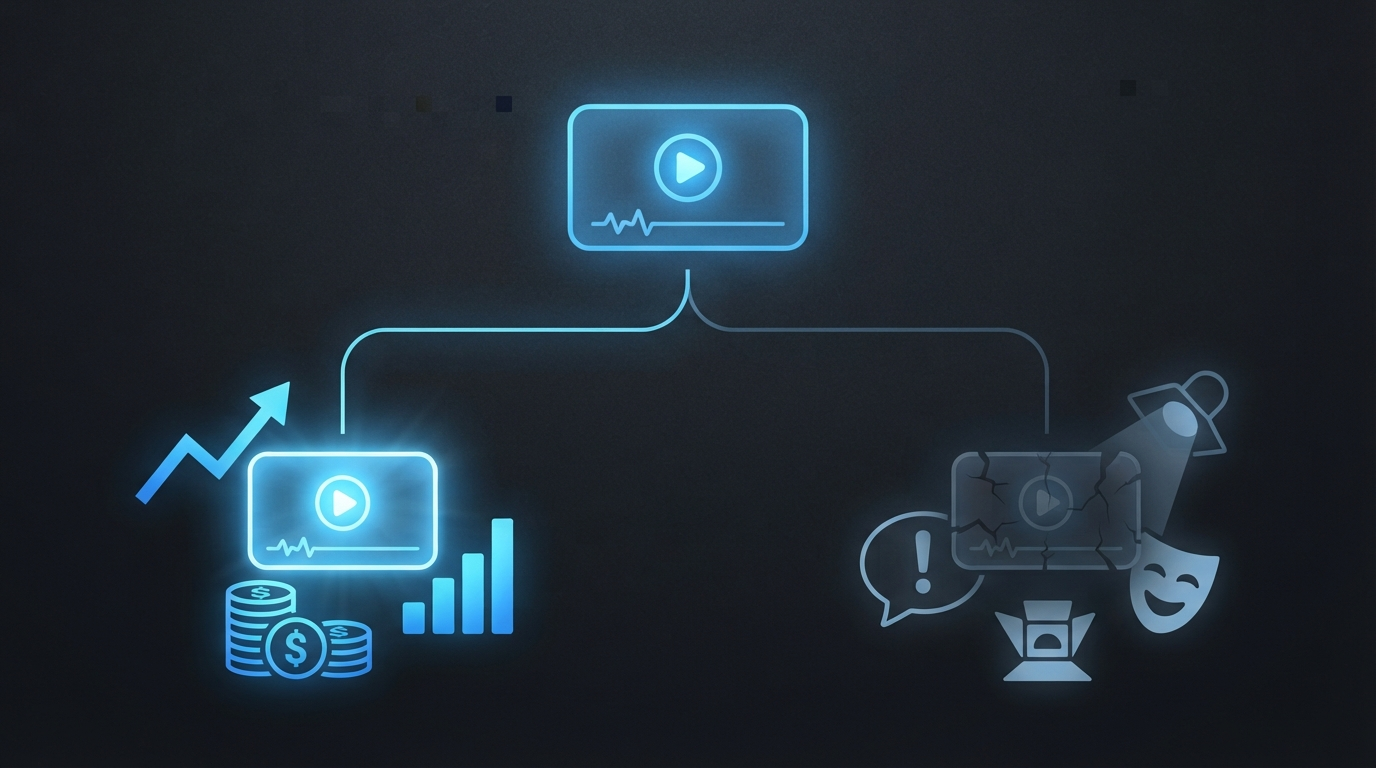
Short answer: a viral format isn't one thing, it's a bundle of choices -- pacing, tone, information density, and how it resolves tension -- and every niche has different tolerances for each of those. Copy the surface (the cuts, the sound, the caption style) into a niche with a different tolerance profile and it reads as off-key even if nothing is technically wrong with the edit. The fix isn't to abandon the format, it's to check which parts of it are actually structural (and portable) versus which parts were doing niche-specific work in the original.
Here's how to tell the difference before you spend a day recreating something that was never going to travel.
## Why the Same Format Doesn't Travel
A viral video's structure is made of layered decisions: how fast the hook resolves, how long each beat holds before cutting, how much context the viewer needs before the payoff lands, and how "loud" the delivery is. None of those are universal -- they're calibrated to what a specific audience already expects.
A pattern-interrupt cold open that drops a viewer into an absurd, context-free moment works in comedy because comedy audiences reward confusion-then-payoff; it's part of the genre contract. Drop a viewer into a personal-finance video with zero context and no clear promise, and they don't feel intrigued, they feel like they're wasting time -- because finance viewers are there for a specific, fast payoff, not a vibe.
That's the real reason a format that crushed in one niche can flop in another. It isn't that the audience in the new niche has worse taste or a broken algorithm. It's that the format's specific calibration -- pacing, tone, how much is explained versus implied -- was tuned for a different set of viewer expectations, and nobody adjusted it before hitting publish.
## What Actually Changes Between Niches
Three variables do most of the work: pacing tolerance, tone/delivery, and how much the hook needs to explain up front.
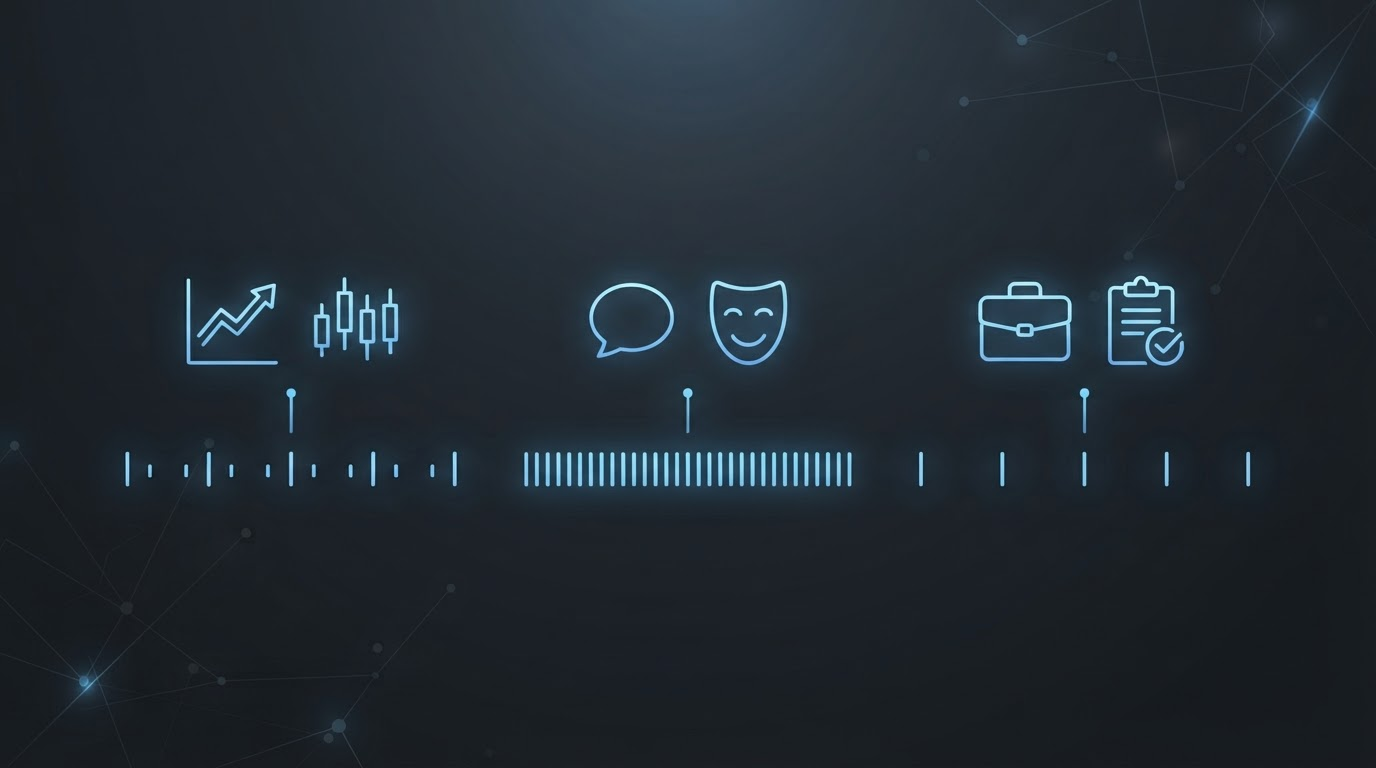
| Niche archetype | Pacing tolerance | Hook style that lands | Hook style that flops |
|---|---|---|---|
| Comedy / entertainment | Fast -- cuts every 2-3 seconds hold attention without feeling rushed | Context-free cold open, resolve the "why" mid-video | A hook that over-explains before the joke lands |
| Finance / business | Slower, more deliberate -- a beat every 8-10 seconds reads as credible, not sluggish | Contrarian claim or a clear "here's what changes for you" promise | A confusion-first cold open with no immediate payoff signal |
| True crime / mystery | Medium, but steadily tightening -- pacing accelerates as the reveal approaches | A specific, concrete detail withheld until later | A generic "you won't believe this" tease with no concrete anchor |
| Educational / how-to | Slower at the start, faster once the method is established | A clear, specific promise of an outcome | An abstract or philosophical opener before any promise |
Two hooks can share the exact same *mechanic* -- a curiosity gap, a pattern interrupt, a contrarian claim -- and still need completely different execution. "Everything you learned about saving is outdated" is a curiosity-gap hook built for finance: fast payoff, credible tone, no ambiguity about what's coming. The same curiosity-gap mechanic in comedy shows up as a confusing, context-free cold open where the payoff is deliberately delayed. Same mechanic, opposite execution -- because the two audiences are rewarding different things.
## A Quick Fit-Check Before You Recreate Anything
Before you spend a day recreating a video that performed well somewhere else, run it through three questions:
**1. What's the mechanic, separated from the execution?**
Watch the video and name the structural choice independent of its topic -- a curiosity gap, a pattern interrupt, a contrarian claim, a reveal held until the end. This is the part of the video that's potentially portable. The specific words, the exact visual style, and the topic are not the mechanic -- they're how that mechanic got executed for that particular audience.
**2. Does your niche's pacing tolerance match the original?**
If the original holds a beat for 2-3 seconds and your niche runs on 8-10 second beats (or the reverse), you can't lift the pacing as-is. You have to re-time the mechanic for your audience's actual tolerance, not the original creator's.
**3. Does your niche need more or less context up front than the original gave?**
Some audiences will follow you into a confusing opener because not-knowing is part of the fun. Others bail within a second if they can't tell what they're about to get. Match the amount of upfront context to what your niche actually rewards, not to what worked in the source video's niche.
This is exactly the kind of check ClipNovia's video analysis is built for -- it breaks a source video down into its hook mechanic, pacing rhythm, and structural beats separately from the topic and visual style, so you can see which parts of a format are the transferable mechanic and which parts were doing niche-specific work in the original. Feed a batch of top performers from your *own* niche through the pattern comparison alongside the video you're considering recreating, and you can check whether the mechanic you like actually shows up in what already works for your audience -- before you commit a script to it.
## Real Examples: Same Mechanic, Different Execution

**Contrarian-claim hook.** In finance, this shows up as a direct statement that upends conventional advice, delivered flatly and fast, because the audience wants the claim, then the proof. In a lifestyle or wellness niche, the same mechanic needs a softer, more personal delivery -- "I used to think X too, until..." -- because that audience responds to relatability more than a flat contrarian jab.
**Reveal-withheld structure.** True crime holds a concrete detail back until the final beats, and the pacing tightens as it approaches. A cooking or DIY channel using the same withheld-reveal mechanic ("the one ingredient that changes everything") needs to keep pacing steady and demonstrative throughout, not accelerating -- because the audience is there to actually see the technique, not just wait for a punchline.
**Pattern-interrupt cold open.** This travels the widest of the three, because almost every niche rewards *some* disruption of expectation early. But even here, the "how confusing can the opener be before people bail" threshold shifts -- comedy audiences tolerate several seconds of pure confusion, while how-to and educational audiences want the confusion resolved into a clear promise within the first second or two.
## Common Mistakes
- **Copying the edit, not the mechanic.** Matching cut frequency and caption style to the source video instead of asking what structural choice made it work is the single most common reason a "faithful" recreation underperforms.
- **Assuming pacing is universal.** A pace that reads as energetic in one niche reads as chaotic -- or dead -- in another. There's no single "correct" cuts-per-minute number across niches.
- **Skipping the context-need check.** Some niches will forgive an ambiguous opener; others punish it immediately. Guessing wrong here loses viewers in the first second, before the rest of the format even gets a chance.
- **Testing once and concluding the format "doesn't work here."** One recreation is one data point. If the mechanic is sound but the execution wasn't re-timed for your niche, that's a fixable calibration problem, not proof the format itself is a dead end.
## Frequently Asked Questions
**Can a format ever transfer with zero changes?**
Rarely, and only when two niches happen to share very similar pacing tolerance and context needs -- which is closer to coincidence than a rule you can count on. Treat "no changes needed" as something you verify after checking, not a starting assumption.
**How is this different from a format just getting fatigued?**
Format fatigue is about a format wearing out *within* a niche after repeated use -- see [how many times you can reuse a viral video format before it stops working](/blog/how-many-times-reuse-viral-video-format) for those warning signs. This is a different problem: the format was never calibrated for the niche you're bringing it into, so it can flop on the very first attempt, fatigue or not.
**Is this the same issue as an AI recreation just not performing as well as the original?**
Related, but narrower. [Why your AI-recreated viral video isn't performing](/blog/why-ai-recreated-viral-video-not-performing) covers surface-level copying versus structural copying for a single recreation. This piece is about a step earlier -- deciding whether a format is even a reasonable fit for your niche before you invest in recreating it at all.
**Should I only look at videos inside my exact niche when checking fit?**
Not necessarily. See [how to reverse engineer viral videos](/blog/how-to-reverse-engineer-viral-videos) for a full breakdown framework -- pulling examples from adjacent niches can actually help you confirm a mechanic is genuinely structural rather than a fluke specific to one audience, as long as you still re-check pacing and context needs for your own niche afterward.
## The Bottom Line
A format that goes viral in one niche isn't a universal template -- it's a set of choices calibrated to what that audience already expects. The mechanic (the curiosity gap, the pattern interrupt, the withheld reveal) can travel. The exact pacing, tone, and amount of upfront context usually can't, not without deliberate re-calibration for your audience. Before you recreate anything, separate the two: name the mechanic, check it against your niche's actual pacing and context tolerance, and only then start writing the script. Run the source video through ClipNovia's analysis alongside a batch of what's already working in your own niche, and you'll know which parts are worth keeping before you spend the day on a recreation that was never going to travel as-is.