YouTube AI Channel Monetization Rules 2026: What Every Creator Needs to Know
# YouTube AI Channel Monetization Rules 2026: What Every Creator Needs to Know
If you run an AI-assisted or faceless YouTube channel, the **YouTube AI channel monetization rules 2026** are the single most important thing you'll read this quarter. YouTube renamed one of its core policies — from "repetitious content" to "inauthentic content" — back in July 2025, but 2026 is when enforcement caught up to the rule: a wave of channel terminations in January 2026 put creators who felt "safe" under the old wording on notice. The good news: AI content is still fully monetizable. The bad news: the line between "monetizable AI channel" and "permanently removed from the Partner Program" got a lot sharper, and a lot of creators are on the wrong side of it without realizing.
This guide breaks down what actually changed, which parts are official YouTube policy versus general best practice, and exactly how creators using AI tools can keep scaling output without tripping the new enforcement systems. No fear-mongering, no invented rule numbers — just what the policy says and what to do about it.
## What Actually Changed, and When
The core shift is a rename with teeth, and it's a bit older than most 2026 coverage implies: YouTube updated what was long known as its **"repetitious content"** guideline and rebranded it as the **"inauthentic content"** policy back in July 2025. That's not just cosmetic. The old framing was mostly about spam and low-effort duplication. The new "inauthentic content" scope is broader: it targets channels built on mass-produced templates, recycled clips, verbatim readings of material you didn't write, and slideshow-style videos with no real narrative or added value.
What's genuinely a 2026 story is enforcement, not the rule text. YouTube spent the second half of 2025 defining and communicating the policy, then moved into full enforcement mode as 2026 began. A wave of channel terminations in January 2026 is what actually put "inauthentic content" on most creators' radar, even though the wording had already existed for months.
Here's the part creators keep getting wrong: **AI-generated content is not banned.** YouTube has been explicit that AI videos remain eligible for monetization in 2026 — as long as the content offers original value and you use the disclosure tools correctly. The policy isn't "no AI." It's "no low-effort, mass-produced, add-nothing content, regardless of whether a human or a machine made it."
That distinction is everything. The tools you use don't determine your monetization status. The *value and originality* of the output does.
### The Three Buckets That Get Hit Hardest
Based on how YouTube and creator-focused analysts have described the enforcement, three categories draw the most scrutiny under the inauthentic content policy:
1. **Verbatim readings of material you didn't create** — text-to-speech reading a news article, a Wikipedia entry, or a Reddit thread word-for-word, with no original commentary or framing.
2. **Mass-produced templates** — the same structure, same voice, same visual template stamped across dozens or hundreds of near-identical videos.
3. **Image slideshows with no narrative** — stock images or AI stills panned over a robotic voiceover, adding nothing a viewer couldn't get elsewhere.
If your channel's entire model is one of those three things at scale, that's the profile enforcement is looking for. If AI is one part of a workflow that still produces genuinely original, valuable videos, you're in a very different — and much safer — position.
## The AI Disclosure Rule You Can't Skip
One piece of this is concrete, official, and non-negotiable: **the altered or synthetic content disclosure.**
When your video contains meaningfully AI-generated or synthetic elements — a synthetic voice, AI-generated visuals of realistic scenes, or altered footage that could mislead viewers — YouTube requires you to toggle the "altered or synthetic content" disclosure in YouTube Studio. This surfaces a label to viewers so they know what they're watching. YouTube has been explicit that clearly unrealistic, animated, or obviously AI-stylized content — including plain AI voiceover over stock or AI-generated illustrations — generally does not require the toggle; it's aimed at content realistic enough that a viewer could mistake it for real footage of a real person, place, or event.
Reporting around the 2026 enforcement wave indicates that failing to disclose can trigger a three-strike enforcement path: an initial warning, then a monetization suspension window, and ultimately removal from the YouTube Partner Program (YPP) for repeat violations. Treat the disclosure toggle as a standard step in your publishing checklist, not an optional afterthought. It costs you nothing and removes an entire category of risk.
A practical note: not every AI touch requires disclosure. Using AI to help write a script, brainstorm hooks, or clean up audio generally doesn't cross into "synthetic content" territory the way an AI-generated realistic scene or a cloned voice does. When in doubt, disclose — it does not, by itself, hurt monetization eligibility.

## Why Enforcement Got Serious
This isn't theoretical tightening. The January 2026 enforcement wave was real and visible. According to creator-industry reporting, a significant batch of channels was removed from monetization in early 2026 — including established channels with large view counts and meaningful annual revenue, collectively described as holding billions of views before termination. Exact per-channel figures circulating in creator-blog coverage vary and are not independently confirmed by YouTube itself, so treat specific numbers with some caution — but the direction and scale of the enforcement action are consistently reported across multiple creator-industry outlets.
Numbers aside, the pattern in those removals is the useful signal: the channels that got hit were overwhelmingly pure-automation plays — recycled or verbatim source material, cookie-cutter templates, and slideshow formats produced at volume with zero human perspective. The channels that kept monetization were the ones pairing AI efficiency with a human angle.
That's the whole game in 2026. You're not being punished for using AI. You're being punished for producing content that adds nothing.
## How to Stay Compliant While Still Scaling
Here's where a lot of "just make original content" advice falls apart — it doesn't tell you *how* to stay original while publishing at the volume short-form growth demands. This is the practical part.
### 1. Add a Point of View, Not Just a Voiceover
The fastest way to move from "inauthentic" to "authentic" is a genuine editorial angle. Instead of reading a source verbatim, react to it, rank it, challenge it, or synthesize multiple sources into a take that doesn't exist anywhere else. A faceless channel can absolutely have a strong POV — the "face" is your perspective, not your literal face. If you want a deeper breakdown of doing this well, our guide on [how to go viral with faceless videos](/features) walks through the difference between a faceless channel and a low-value one.
### 2. Break Template Monotony
Mass-produced templates are a flagged category, so vary your structure. Change your hooks, your pacing, your visual treatment, and your segment order across videos. The goal is that no two uploads feel like the same machine stamped them out. This is exactly where analyzing what's actually working — rather than copying one rigid format forever — pays off.
### 3. Reverse-Engineer Winners Instead of Recycling Them
There's a real difference between *recycling* a viral video (re-uploading or reading it verbatim) and *reverse-engineering* it (studying why it worked, then building something original on that insight). The first is squarely in demonetization territory. The second is just good creative strategy. ClipNovia is built around that second approach: it analyzes viral short-form videos so you can understand the structure, hook, and pacing that drove the result — then generate your own original script and video from it. You're learning from the trend, not copying the asset.
### 4. Keep a Human in the Loop
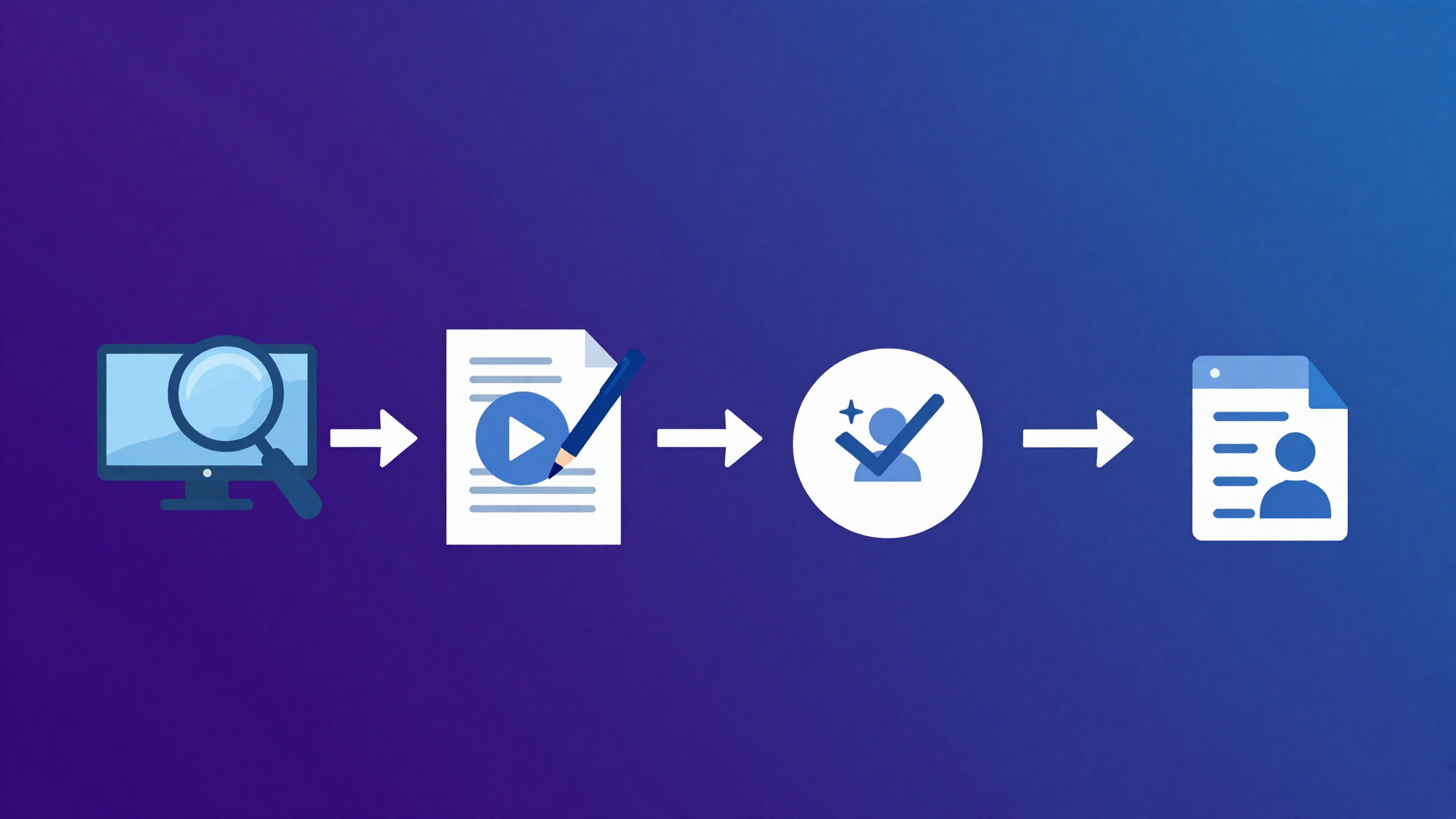
Even a lean, high-volume workflow benefits from a human editorial pass: approving the angle, tightening the hook, checking the disclosure toggle, and making sure each video actually says something. That single checkpoint is what separates a scalable channel from a suspended one.
### 5. Diversify Formats and Sources
Don't build an entire channel on one content type YouTube has explicitly flagged (like pure image slideshows). Mix formats, pull from your own research and experience, and make sure at least part of your value is something viewers can't trivially get elsewhere.
## Official Policy vs. Best Practice: Know the Difference
Because there's a lot of noise online, it's worth being precise about what's actually YouTube policy versus smart advice:
**Official YouTube policy (verifiable):**
- The "repetitious content" guideline was reframed as "inauthentic content" in July 2025, with enforcement reaching full strength in early 2026.
- AI-generated content remains eligible for monetization when it provides original value.
- The "altered or synthetic content" disclosure is required for meaningfully synthetic content and is toggled in YouTube Studio.
- Mass-produced, verbatim-reused, and low-value repetitious content risks demonetization.
**Best practice (not literal policy, but strongly advisable):**
- Adding a POV, varying templates, and keeping a human review step.
- Reverse-engineering rather than recycling.
- Diversifying formats to avoid concentration in flagged categories.
Anyone quoting you an exact number of "10 new rules" with precise policy text should be treated with caution — the substance of the change is the inauthentic-content reframe and the disclosure requirement, not a fixed numbered rulebook. Always confirm specifics against YouTube's own Help Center.
## Frequently Asked Questions
### Can AI-generated YouTube channels still be monetized in 2026?
Yes. AI-generated content is eligible for monetization in 2026 as long as it provides original value to viewers and you disclose synthetic content where required. AI is not a disqualifier — mass-produced, low-value, or verbatim-recycled content is the actual problem, whether AI made it or not.
### What is YouTube's inauthentic content policy?
It's the reframing of the older "repetitious content" guideline, made official in July 2025 and enforced at full strength starting in early 2026. It targets channels built on mass-produced templates, recycled or verbatim-read material you didn't create, and no-narrative slideshow content. The emphasis is on originality and added value rather than on how the video was produced.
### Do I have to disclose that my video uses AI?
You must toggle YouTube's "altered or synthetic content" disclosure when your video contains meaningfully synthetic or altered elements — like a synthetic voice or realistic AI-generated scenes. Using AI purely for scripting help or audio cleanup generally doesn't require it, but when in doubt, disclose. It doesn't harm your monetization eligibility.
### Will using AI voiceovers get my channel demonetized?
Not by itself. An AI voiceover reading *original, valuable* content that you've disclosed appropriately is fine. An AI voiceover reading someone else's article verbatim over a stock slideshow is the exact profile the inauthentic content policy targets. The voiceover isn't the issue — the lack of originality is.
### How do faceless channels stay compliant in 2026?
Faceless channels stay compliant by having a clear point of view, varying their formats and templates, building on original research or synthesis rather than verbatim copying, and disclosing synthetic content. "Faceless" and "low-value" are not the same thing — a faceless channel can be highly original.
### What's the difference between recycling and reverse-engineering a viral video?
Recycling means re-uploading or reading someone else's content verbatim, which risks demonetization. Reverse-engineering means studying *why* a video worked — its hook, structure, and pacing — and creating your own original piece from that insight. The second is legitimate strategy and is exactly what compliant AI workflows are built around.
## The Bottom Line
The **YouTube AI channel monetization rules 2026** aren't the end of AI channels — they're the end of *lazy* AI channels. The rule itself dates to July 2025; what changed in 2026 is that enforcement finally caught up to it. The platform is drawing a clear line: originality and value stay monetized, mass-produced recycling gets removed. If your workflow adds a genuine point of view, varies its formats, discloses synthetic content, and keeps a human in the loop, you can scale output faster than ever and stay firmly on the right side of the policy.
That's the exact philosophy ClipNovia is built on. Instead of recycling viral videos, it analyzes what makes them work and helps you generate original scripts, AI video, and burned-in captions you can publish across platforms — compliant by design, not by accident. If you want to scale a faceless or AI-assisted channel without gambling on your monetization status, [try ClipNovia and start creating](/create) — or take a look at [what's included in each plan](/pricing) first.
Turn viral trends into your content — the compliant, sustainable way.
Sources:
- [YouTube channel monetization policies – YouTube Help](https://support.google.com/youtube/answer/1311392?hl=en)
- [How we're helping creators disclose altered or synthetic content – YouTube Blog](https://blog.youtube/news-and-events/disclosing-ai-generated-content/)
- [YouTube updates monetisation policies: inauthentic content ban begins July 15, 2025 (Gulf News)](https://gulfnews.com/technology/youtube-updates-monetisation-policies-ai-and-repetitive-content-ban-begins-july-15-1.500192660)
- [YouTube AI Monetization Policy 2026 — Rules, Disclosure, Tips (Vexub)](https://vexub.com/blog/ai-generated-video-monetization-policies)
- [YouTube's AI content crackdown in 2026 (ScaleLab)](https://scalelab.com/en/why-youtube-is-cracking-down-on-ai-generated-content-in-2026)
- [YouTube AI Monetization Crackdown: How Creators Can Stay Safe (TubeBuddy)](https://www.tubebuddy.com/blog/youtube-ai-monetization-best-practices/)
- [YouTube Reused Content Policy: How to Stay Monetized in 2026 (vidIQ)](https://vidiq.com/blog/post/youtube-reused-content-policy-guide/)
---
*Picking a niche before worrying about monetization rules? See [faceless YouTube channel ideas checked against real demand and YouTube policy](https://clipnovia.io/blog/faceless-youtube-channel-ideas-2026) for the niche-selection side of this.*